Movement is medicine.
This is something that my favorite Peloton instructor, Jess Sims, always says in her workouts. I will never forget my cardiologist telling me something similar about how important it is to get out of bed, even when it isn’t easy. He said that pushing through POTS was going to be the difference between wether or not my symptoms improved.
Those of you with POTS will know working out is no easy task. I’m not going to lie to y’all I have literally ended up lying down on the treadmill before, so no shame in the game. I have learned that showing up is the hardest part and once you show up for yourself, the rest falls into place. Showing up is important because it also begins a habit of discipline. Discipline has helped me so much because even when I really don’t want to go to the gym, or don’t feel like I can, discipline will somehow carry me there, and then I’ll determine what I actually am able to do once I get there.
For context, I’ve played competitive sports my whole life. Once I got my POTS diagnosis, I was devastated about how it was going to affect my athletic abilities. There were ups and downs but I am glad that I was transparent with my coaches. I was able to work in conjunction with them to determine how I could best continue playing, even if it was in a more limited capacity.
After a lot of research, experimentation and going through the Dallas POTS program (which I will be writing a post on later) I think I finally figured out what works for me. In order to help all of you get started, I have three workouts below. It is important to do what works for you. Maybe you can do multiple rounds, but maybe just one is an accomplishment and that’s awesome too! These workouts will also be a great way to track your progress.
What to Bring to the Gym
- Towel
- Water (preferably with electrolyte powder)
- It is also so important that you hydrate the day before you intend to exercise so you put yourself in the best position to succeed!
- Heart rate monitor!!!
- It is so important to monitor your heart rate while exercising!
- Headphones
- They make working out so much more enjoyable and the right music can often help carry you through a tough workout!
- Any medication
- I normally try to take my midodrin 30 min before I workout (or if I forget I take it when I get to the gym).
- Your breath
- Okay, I know that sounds kind of weird but what I mean is that breath can really be an asset in exercising. Our heart rate increases when we inhale and lowers when we exhale. Therefore, it is important to do the harder part of our work when we exhale and inhale when we are in the easier part of an exercise. For example: In a squat you would inhale on the way down and exhale on the way up.
Cardio
Cardio is super important in order to increase circulation and build up the strength of your heart and blood vessels (yay aerobic exercise)! However, traditional cardio can often be difficult for those with POTS…but…have you met the recumbent bike?
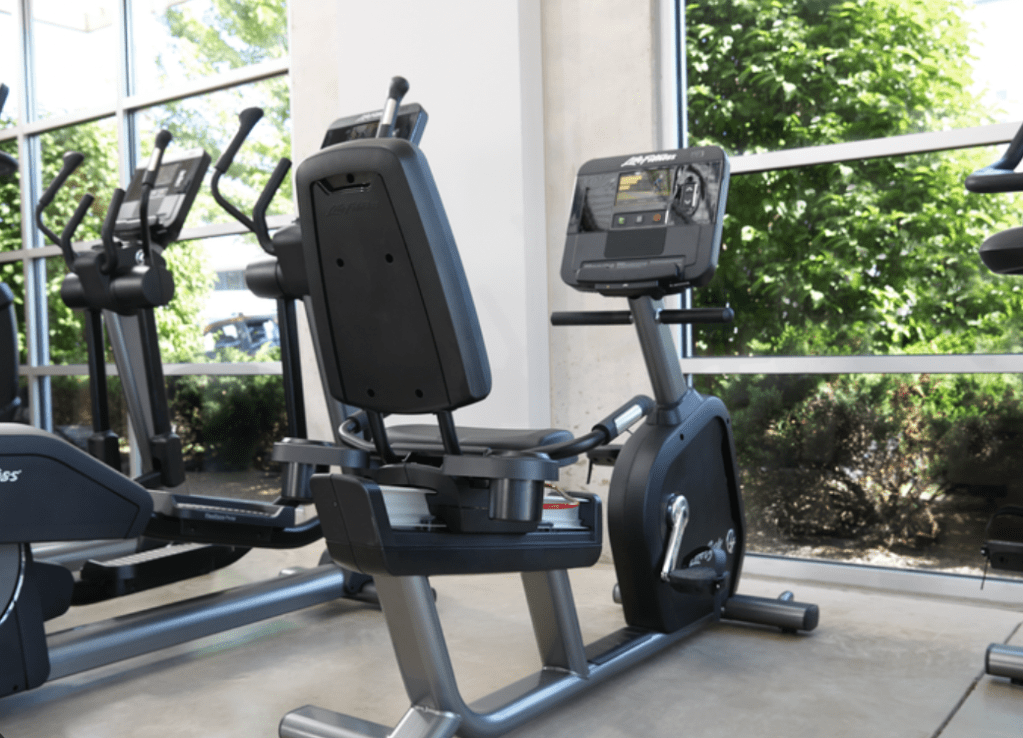

This bike has you pedal from a seated position and can be found in most gyms. They even have under the desk ones that you can have at home if going to the gym is too hard. The benefits of using the recumbent bike is that your base heart rate will be from a seated, not standing heart rate.
Workout:
- Warm-Up (3 mins)
- 1 minute light and easy (just get those legs moving)!
- 90 seconds 60-75% effort
- 30 second recovery
- Work (6 mins)
- Okay now it’s time to work! If this part is too much for you right now, that’s okay! Instead, maintain a moderate pace for this portion of the workout. Building endurance and speed takes time and it’s important to be patient with yourself and to not give up!
- 3 mins 75%
- 1 min 80-90% (watch that heart rate! If it is getting too high, scale it back. It took me a long time to strengthen my heart enough to be able to start being more resilient to cardio-don’t be discouraged, it takes time)!
- 90 sec 70-80%
- 30 sec 65%
- Cooldown (1 min)
- Just move your legs at whatever pace feels good
- While the cooldown is intended for one minute I would “cooldown” until your heart rate reaches close to your normal seated heart rate
As you progress in your fitness journey you may be able to do multiple rounds of this workout or even transition to other types of cardio. BUT slow and steady wins the race, and remember progress is progress.
Strength (arms)
Strength training is so important, especially if you have POTS! Over time, strength training builds muscle which allows the body to better tolerate postural changes and standing for extended periods of time.
Workout:
What you will need:
- If you are at a gym find a bench or a box and if you are at home grab a chair.
- Light and Medium weights
3 rounds (or as many as you are able to safely complete):
- 12 Reverse flys
- Light weights
- 10-12 Bicep Curls
- Medium weights
- 10-12 Tricep extensions with dumbbell
- Medium weights
The best thing about all of these exercises is that you can do all of them from a seated position! The reverse flys are a little trickier, but if you put your knees together and extend your knees, you’ll be able to do it as if you were standing.

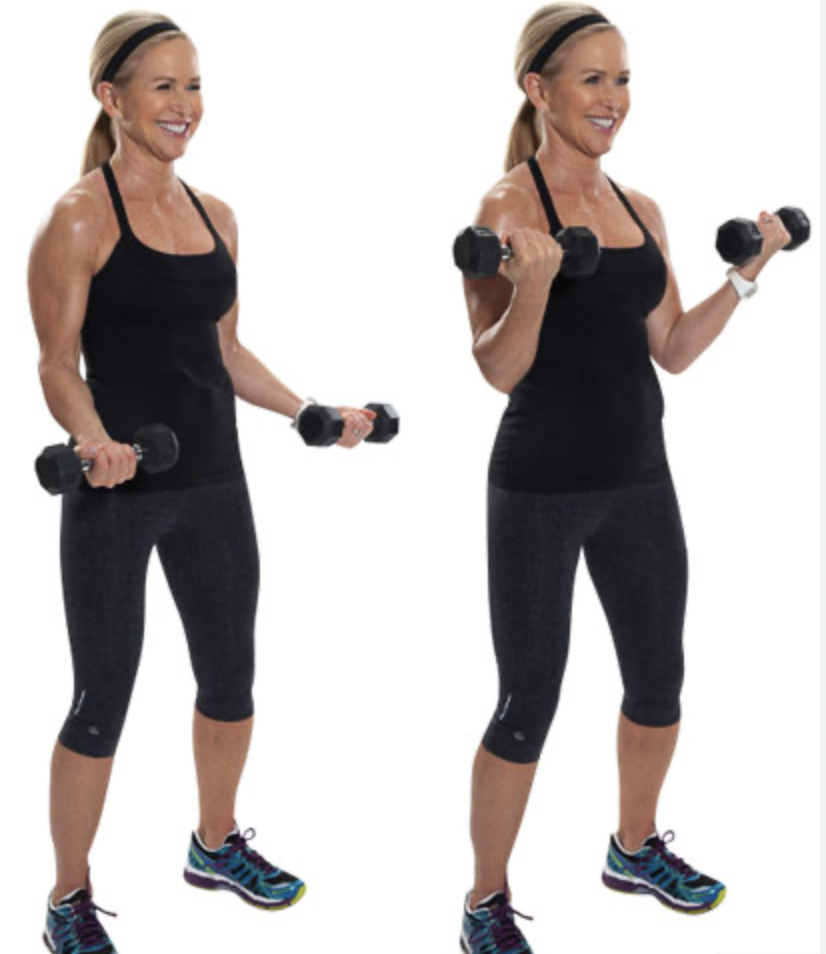
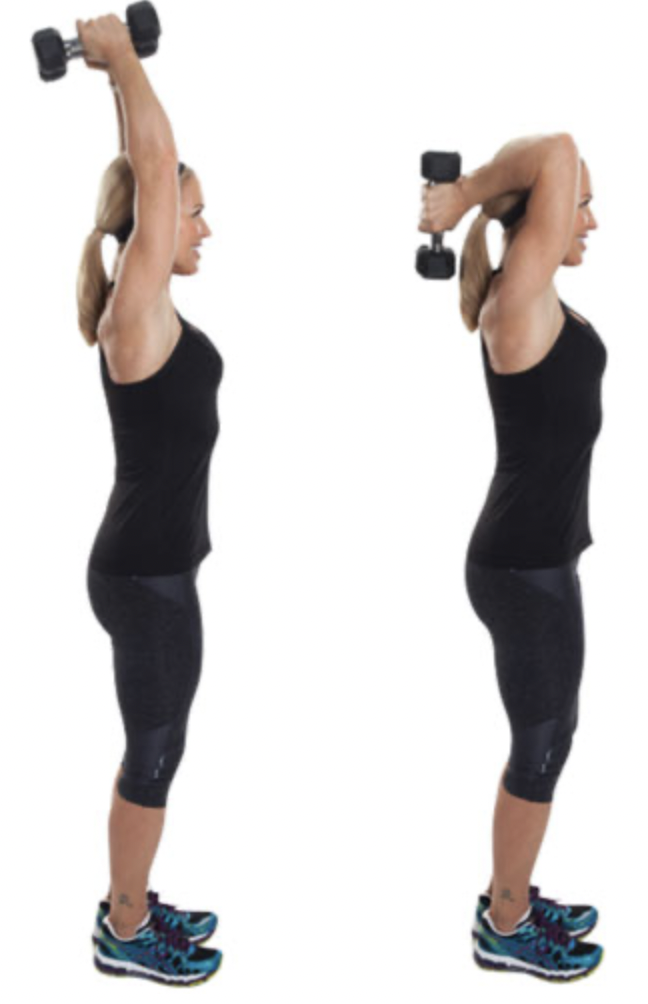
Strength (legs)
Now, training legs is possibly the hardest part of the body to strength train when you have POTS, but this workout will be a good launching point!
All you will need is a chair and an optional resistance band.
Workout:
3 rounds (or as many as you are able to safely complete):
- 10-12 Hip abductions with resistance band
- Put a resistance band 1-2 inches above your knees. Your legs are going to be about hip width apart. Now, all you are going to do is move your knees out, while keeping your feet planted in this same spot.
- 8/8 Seated Marchers
- With the resistance band in the same spot you are going to move your legs up and down, as if you are marching. When you lift your leg hold it for about two seconds. Alternate left and right legs.
- 10 Squat Walks
- Now, keeping the resistance band in the same spot, move off of the chair. Next, you are going to walk laterally, while in a seated position. Do five in one direction and five in the other direction, facing the same wall the whole time.


Now, these are just some beginner workouts but I will also be posting intermediate and advanced workouts! It is important to make sure that you are able to tolerate the workouts above first before moving on to more advanced moves. If you are looking for a more advanced option now you can also try stacking these workouts to test your endurance.
Remember, the hardest part is showing up for yourself! With each new rep you are showing yourself that you want to do everything you can to improve your health! It is possible, I promise you! However, building cardiovascular strength takes time, be patient. You’ve got this!
Much love and remember I am always available if you have any questions or are looking for a more individualized workouts based on where you are in your fitness journey!
❤ Ashley
Disclaimer: This information is for informational purposes only and should not be construed as medical advice. If you have any questions about your own nutrition or fitness plan, please consult your MD or RD.
 Navigating Life with POTS and Pans
Leave a comment